
Vanilla extract overload!
by Trần Thy Vân
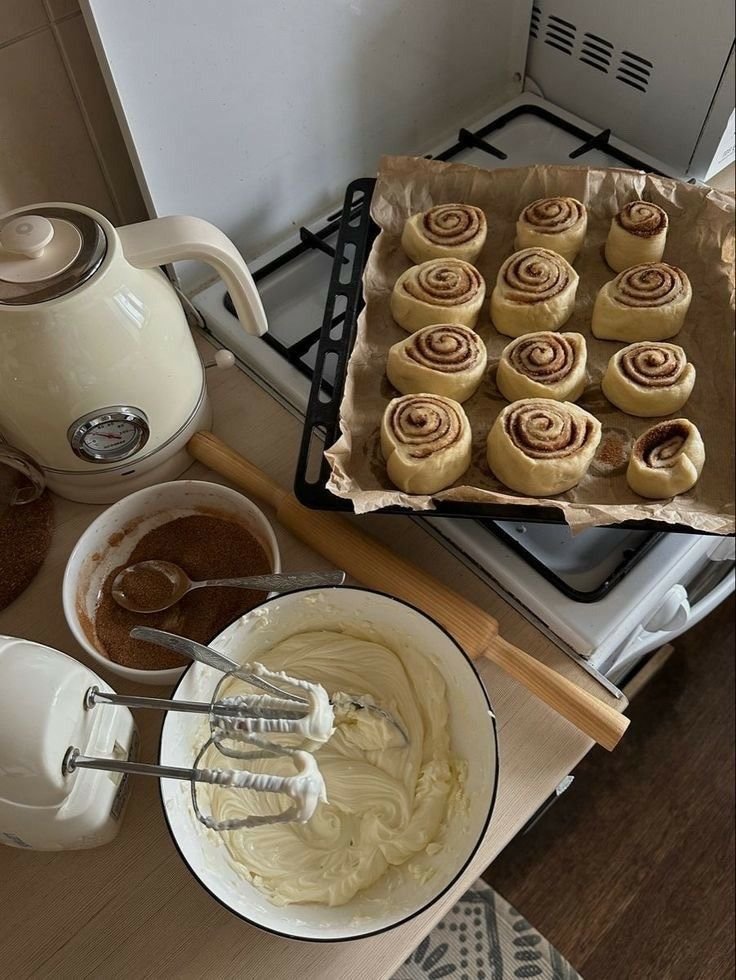
Credits: Pinterest
There are two kinds of people when it comes to baking: the kind that measures vanilla extract according to the recipe and the kind that measures by the heart (and puts too much). Vanilla extract is one of the most commonly used ingredients in desserts, from cookies to cakes and custards. Its primary role is to provide a sweet aroma, alongside enhancing, balancing, and adding depth to the flavors of desserts. So, does using a lot of vanilla extract truly elevate your desserts?
Baking is both an art and a precise science. In a recipe, every ingredient and its quantity contribute to the quality of the end product. In this case, overusing vanilla extract doesn't always mean that you'll end up with a dessert that has a more “pronounced vanilla flavor.”
Firstly, vanilla extract is made by macerating vanilla bean pods in a mixture of alcohol and water. Experts on Pastryclass have said, "Most vanilla extracts contain about 35% alcohol, which evaporates during baking, leaving behind the delicious flavor." However, using too much can actually introduce a metallic, slightly bitter aftertaste to your baked desserts, since it’d be overconcentrated and the recipe wouldn’t have enough sugar to accommodate the new concentration of vanilla extract.
In addition, overusing vanilla extract causes an imbalance in flavor. Desserts need complementary, multi-layered taste profiles to create balance and prevent palate fatigue. Overconcentration of vanilla extract in a recipe hides delicate flavors of nuts and fruits. It can flatten bold flavors such as richness, zestiness, and spice. Surprisingly, doing so can even make vanilla-centered desserts taste one-dimensional.
“Vanilla, especially in its extract form, is very potent and can quickly overpower other ingredients in a recipe. This can result in a dish that tastes primarily of vanilla, with other flavors being masked or overwhelmed,” says Donald Anderson, AllFoodFaq editor.
Most importantly, adding too much vanilla extract affects the structure of desserts, leading to an unpleasant eating experience and appearance. Pastry chef Helen Goh shared on Tasting Table that adding too much vanilla extract can cause cakes, cookies, and sponges to have a gummy crumb.
“Crème brûlée or panna cotta rely on balance—too much alcohol from vanilla can prevent proper setting," said chef Goh.
She also mentions, "In macarons, pavlovas, and soufflés, extra liquids can disrupt the stability of the mixture, and in marshmallows, the gelatin is sensitive to liquid ratios."
Overall, vanilla extract is one of the most useful ingredients in baking. The amount added can greatly affect flavor, scent, and consistency. More importantly, vanilla is a labor-intensive crop that requires hand-pollination, hand-harvesting, and drying. According to Danwatch, vanilla farmers in Madagascar live in extreme poverty and struggle to pay debts to middlemen, which leads to child labor and pervasive theft of vanilla beans becoming widespread problems within the vanilla cultivation industry. Therefore, source your vanilla extract ethically and use it mindfully for the best results!
