
What are WISers doing to prepare for IELTS tests?
by Trần Thy Vân
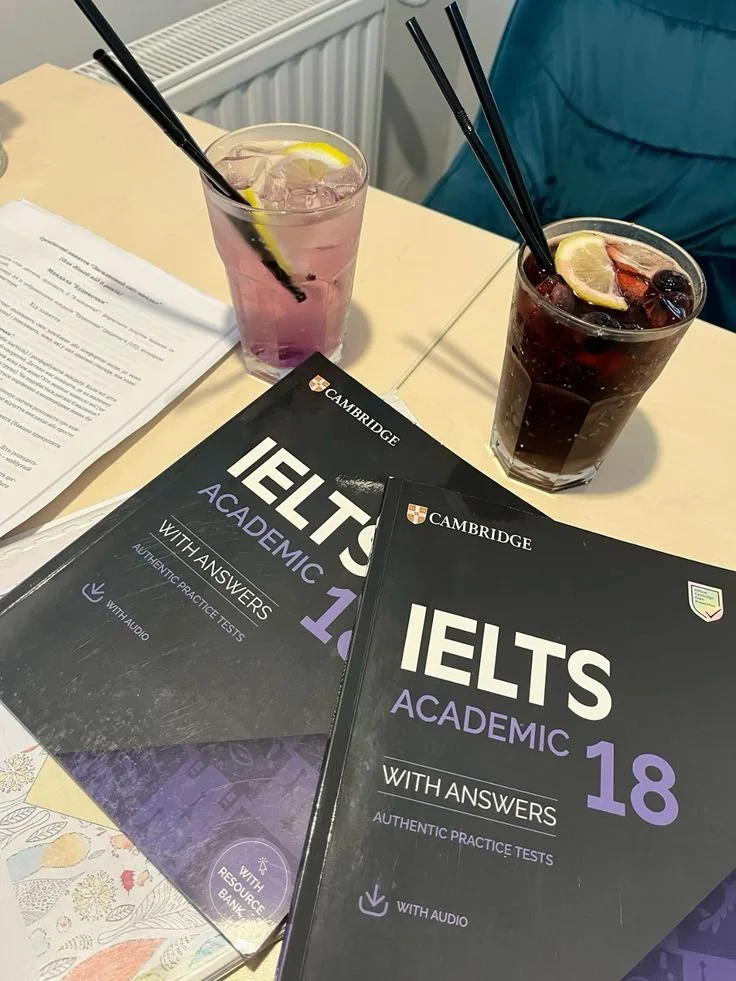
Credits: Pinterest
Students have two moods when they receive their IELTS band scores: over the moon and ready to celebrate, or disappointed to their core because they did not meet or come close to their aim. IELTS stands for International English Language Testing System, an English proficiency test that challenges your writing, speaking, reading, and listening skills. IELTS is especially important because not only do thousands of universities require it for admissions, but it also opens many doors for future career opportunities. Here at Wellspring Saigon, WISers are currently in the process of reviewing for the upcoming tests held in April.
Student’s opinions
The 2025-2026 school year is an important time for WISers from grades 8 to 9 because they have the opportunity to choose to take the IELTS or TOEFL Junior tests. So, why did some students want to challenge themselves with IELTS, and what are they doing in advance to approach this new system?
Nguyễn Châu Hải Hà, 8.8, told us, “I’m planning to take this test soon because I want to have more chances at university admissions and evaluate my own English skills. I’m currently practicing with Cambridge sample exams and YouTube videos weekly.”
In addition, Nguyễn Minh Quý from class 8.1 also shared, “My family encouraged me to take the mock test. To prepare for the legitimate test, I am now doing other online mock tests and practicing my note-taking skills.”
Tips from students who have taken the test:
A quote said by J. Robert Oppenheimer in the movie “Oppenheimer” goes: “Theory will only take you so far.” Textbooks and mock tests will only be able to equip you with the knowledge and basic test-taking skills needed. Hence, let’s ask our students who have already taken the test for realistic tips and tricks on how to prepare and perform during the actual test.
Nguyễn Thảo Hiền, class 12.1, advises, “Before prepping, you should take a practice test under real conditions to determine strengths and weaknesses. Begin practicing your weak points from there.”
From class 11.1, Trần Nguyễn Anh Tú suggests, “During the speaking test, you have to learn how to pause in between sentences correctly. Using verbal fillers like “uhm” will result in the judge taking away points, so when you reach the end of a sentence, just be silent.”
Nguyễn Nam Nhật Phương, an ex-student of Wellspring Saigon, also recommends, “To prepare for the writing test, focus on researching the outlines and formats. You don’t have to necessarily learn big, fancy words—learn strong vocabulary to strengthen your arguments instead. You should also ask a teacher to mark your practice writing for you.”
As Alexander Graham Bell once said, “Before anything else, preparation is the key to success.” IELTS tests require more than performative studying—they demand awareness of your skill level, strategy, careful selection of materials, support from others, and consistent practice.
